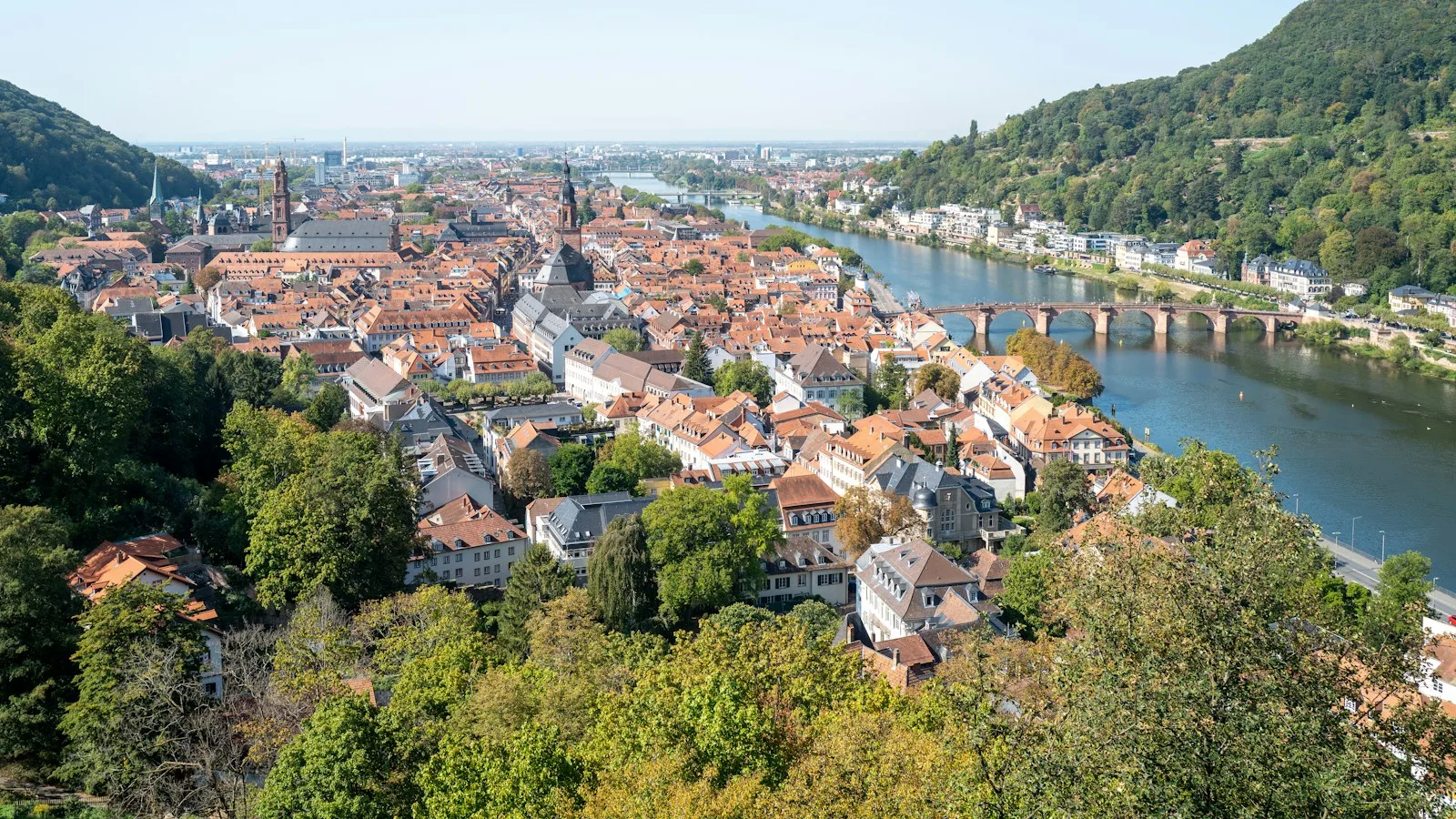
Europe Destination Guide · Free for Students
Tuition-free public universities, English-taught degrees
Europe is the value play. Public universities in Germany and Norway charge little to no tuition, the Netherlands and Ireland run 4,000+ English-taught programs, and most countries let you stay 1–2 years to find work after graduation — all on a single Schengen visa.
schedule Last reviewed:
Why Choose Europe?
Free or Low Tuition
Public universities in Germany, Norway and (for EU/EEA) much of Scandinavia charge little to no tuition. Even private programs in the Netherlands or Ireland cost a fraction of UK/US fees.
English-Taught Programs
Over 4,000 Master's programs across continental Europe are taught entirely in English — no need to learn German, Dutch or French to start.
Schengen Mobility
A single student visa lets you travel freely across 27 Schengen countries — for an internship in Berlin, a thesis exchange in Amsterdam, or a weekend in Paris.
What it costs to study in Europe
Europe has the widest cost range. A Bachelor in Germany can cost almost nothing in tuition, while a one-year MSc in Dublin runs €15,000+. Here are realistic LKR ranges across the most popular destinations.
check_circle Lanka Scholar's counselling, applications and visa prep are free. Universities pay us a commission when you enrol — you pay tuition and visa fees to the institutions themselves.
Note on Exchange Rates
Figures are based on current average LKR/EUR rates across Germany, Netherlands, Ireland, France and Norway. Our counsellors help you target the country where your profile and budget align.
Average Annual Costs
The National Type D Student Visa (per country) — what you'll actually need
The four things every Sri Lankan applicant has to put together. We prepare and review every file before it goes in — refusals are rare when the application is properly prepared.
Letter of Admission
A formal admission letter from a recognised European Higher Education Institution (HEI) — required for any student visa application.
Schengen Type D Student Visa
A long-stay national visa from the embassy of your destination country (Germany, Netherlands, France, etc.). UK and Ireland use their own systems.
Proof of Financial Means
Country-specific — Germany requires a €11,904 blocked account (€992/mo × 12, BAföG rate), the Netherlands ~€14,000, Ireland €10,000. We help you set these up.
Health Insurance
Either public (statutory in Germany/Netherlands once enrolled) or private (Ireland, France) — must be in place before visa approval.
What Sri Lankan students apply for in Europe
Hand-picked programs that Sri Lankan applicants are getting offers from this year.


MSc in Computer Science
ETH Zurich


MSc Aerospace Engineering
Delft University of Technology (TU Delft)

Medicine (MB BCh BAO)
Trinity College Dublin
Scholarships open to Sri Lankan applicants
Open right now. Eligibility varies — message us before assuming you don't qualify.
Erasmus Mundus Joint Masters
European Commission
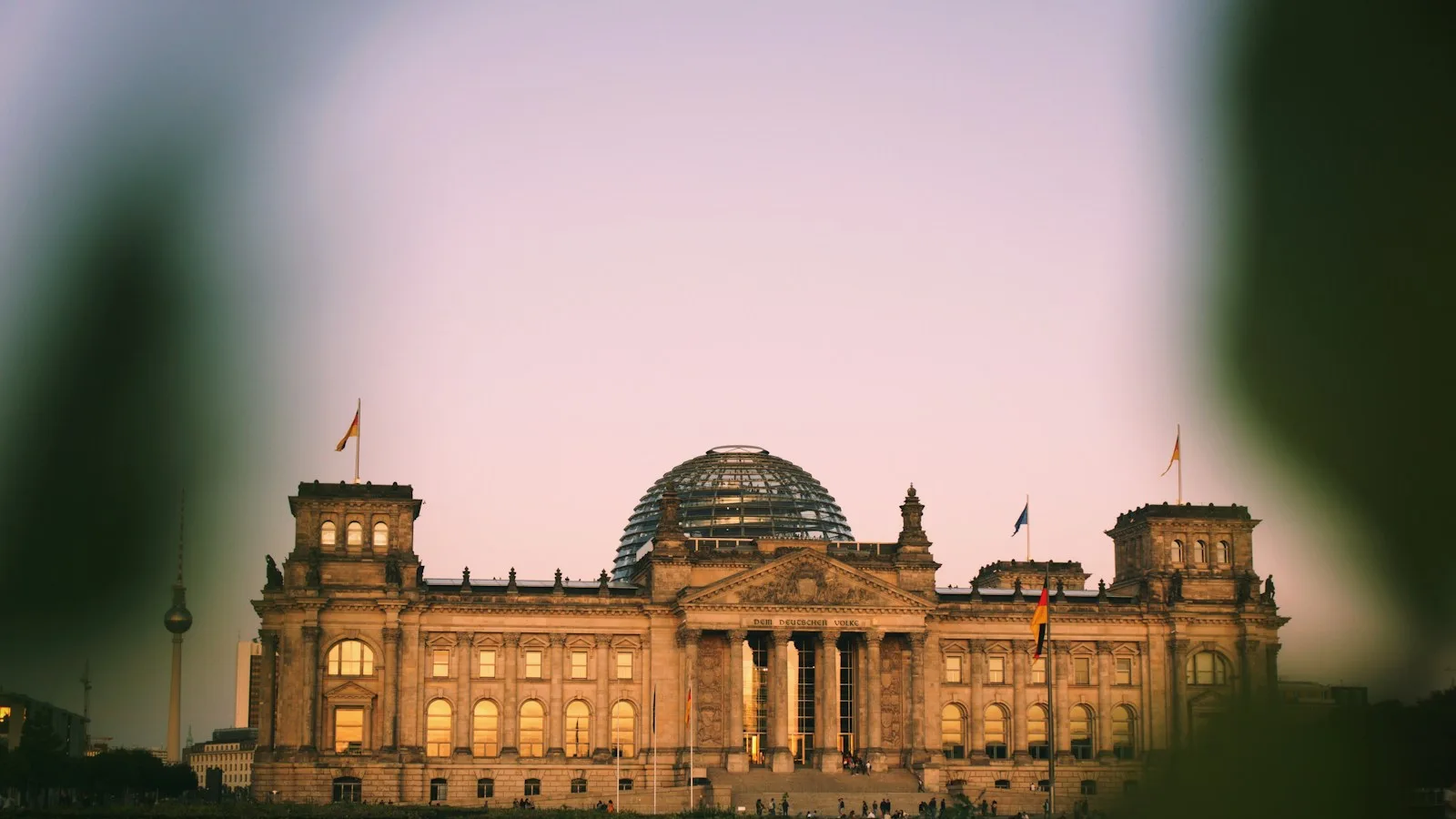
DAAD Master's Scholarship
German Academic Exchange Service (DAAD)
Swiss Government Excellence Scholarships
Swiss Confederation (State Secretariat for Education, Research and Innovation)
When to apply for 2026/27
Start your application 6–9 months before the intake you're targeting. Below are this academic year's windows for Europe.
Fall / Winter Semester
The primary intake at almost every European university. Largest course choice and the only intake for many Bachelor programs.
Spring / Summer Semester
A strong secondary intake at Dutch, Irish, and many German universities — fewer Bachelor options, more Master programs.
Rolling / Country-Specific
Some private universities in France, Spain and Italy run rolling admissions or quarterly intakes — useful if you missed the main rounds.
Common questions about studying in Europe
Don't see your question? WhatsApp a Europe counsellor — we usually reply within the hour, weekdays.
-
Which European country should I pick? expand_more
Depends on your field and budget. Germany for engineering (free or near-free), the Netherlands for English-taught CS and business, Ireland for English-medium Master’s, France for policy and fashion. A 15-minute WhatsApp call narrows it down. -
Is studying in Germany really free? expand_more
Yes at public universities for Bachelor’s and most Master’s — but you still need €11,904 in a blocked account (Sperrkonto) for living costs. Bavaria and Berlin charge a €100–300 semester admin fee. -
Do I need German, Dutch, or French? expand_more
Not to start — 4,000+ Master’s programs across Europe are taught entirely in English. You’ll pick up the local language for daily life and post-study work, but admission doesn’t require it. -
Can I work in Europe after graduating? expand_more
Most countries offer a 12–18 month post-study job-search visa. Germany 18 months, Netherlands 12, Ireland 24. Once you land a job, you switch to a work residence permit. -
Is Schengen mobility real for students? expand_more
Yes. One student visa lets you travel to all 27 Schengen countries — useful for internships, conferences, or weekend travel. The UK and Ireland sit outside Schengen.
Ready to start your Europe application?
A 15-minute WhatsApp chat is enough to map out your timeline, shortlist 3–5 universities, and tell you what the realistic LKR budget looks like. Free for students — universities pay us, not you.
Message a Europe Counsellor- check_circle Free for students — universities pay us, not you
- check_circle Average reply: under 1 hour, weekdays
- check_circle Walk in to any of 4 offices across Sri Lanka
Prefer a callback?
Drop your number — a counsellor calls within one working day.