

SE · Master's
Uppsala University
MSc in Earth Science
Uppsala University
Deadline detail: 15 January through universityadmissions.se — you apply directly to one named specialisation, not to a general Earth Science programme
Course Overview
Uppsala's Master's Programme in Earth Science is not a single degree but four, and you apply to one of them: Physical Geography, Hydrology/Hydrogeology, Geology, or Palaeobiology. Physical Geography works on environmental change and landscape development across timescales, combining glaciology, geomorphology and climate change with GIS and field methods. Hydrology/Hydrogeology covers water at and beneath the Earth's surface and its interaction with the environment — catchment processes, groundwater flow, water quality and modelling. Geology addresses mineral and rock formation and deformation across geological settings. Palaeobiology traces the evolution of life, from palaeobiological principles through to the evolution of specific organism groups.
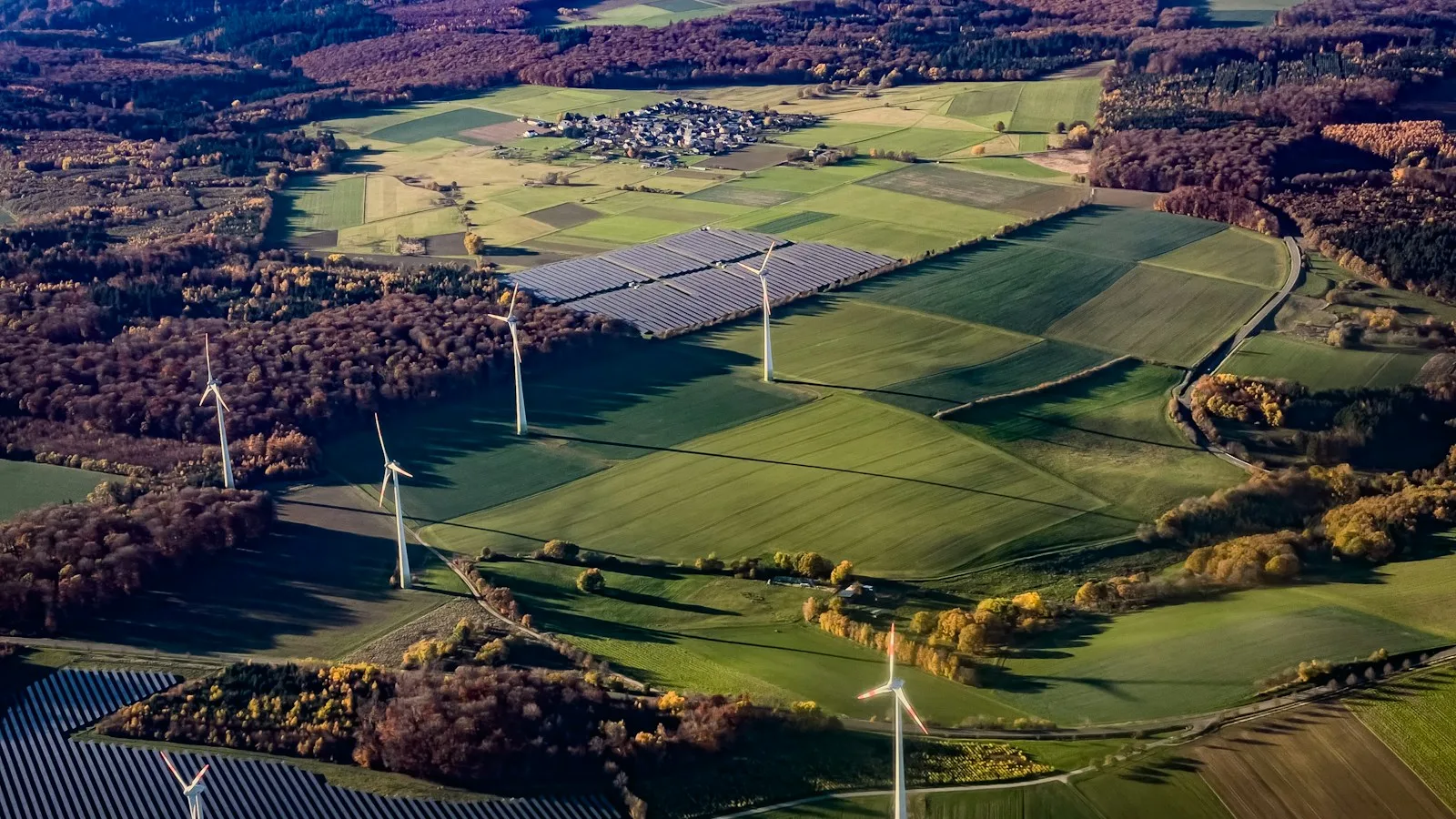
Uppsala's Department of Earth Sciences is the largest of its kind in Sweden and runs across all of these plus geophysics and wind energy, so the teaching sits inside an active research environment rather than beside one. The university is also home to some of the longest continuous environmental records in Europe, and Sweden's glaciated landscape and Baltic coast make the field teaching unusually direct — you are looking at the processes rather than at photographs of them.
The Hydrology/Hydrogeology specialisation in particular deserves a Sri Lankan reader's attention. Sri Lanka's most consequential earth-science problems are hydrological: dry-zone drought and the reliability of the ancient tank cascade systems, groundwater quality and the still-unresolved question of chronic kidney disease of uncertain aetiology in the North Central Province, saline intrusion along the coast, extreme rainfall and landslide risk in the central highlands that the National Building Research Organisation manages, and river-basin planning under the Mahaweli scheme. The Geology track connects to the graphite, mineral sands and industrial minerals sector and to the Geological Survey and Mines Bureau. These are not hypothetical applications — they are open positions in Sri Lankan agencies that struggle to recruit people with formal quantitative training. Sweden's 12-month post-study permit and Uppsala's strong doctoral pipeline sit at the end of it.
Entry Requirements
Academic
- check_circle A Bachelor's degree of at least 180 credits with a substantial component in earth sciences, physical geography, geology, environmental science, civil engineering, physics or chemistry — the exact credit requirement differs by specialisation, so read the one you are applying to.
- check_circle Hydrology/Hydrogeology expects prior study in hydrology, physical geography, geology or an engineering discipline with mathematics; Geology and Palaeobiology expect earth science or biology credits; Physical Geography expects geography, earth science or environmental science.
- check_circle Sri Lankan applicants with a BSc in Geology, Physical Science, Environmental Science, Applied Sciences or Agriculture from Peradeniya, Colombo, Ruhuna, Sabaragamuwa, Jaffna or Rajarata, or a civil engineering degree from Moratuwa or Peradeniya, are the standard profiles.
- check_circle Mathematics and statistics matter more than applicants expect, particularly in the hydrology track — modelling is a core skill, not an optional extra.
- check_circle You apply to a single named specialisation through universityadmissions.se; there is no common first year that lets you decide later, so choose deliberately.
- check_circle A SEK 900 application fee applies to fee-paying applicants, separate from tuition and non-refundable.
- check_circle Certified transcripts and degree certificates following Sweden's country-specific documentation rules for Sri Lanka, plus a statement of purpose and CV.
- check_circle A Swedish residence permit for studies requires proof of the first tuition instalment, comprehensive insurance and guaranteed living funds at the annually set rate; Migrationsverket processing is slow, so apply the moment you are admitted.
English Proficiency
- check_circle The requirement is Swedish 'English 6' — evidenced by IELTS Academic 6.5 Overall with no section below 5.5.
- check_circle TOEFL iBT: 90 Overall with at least 20 in the written section.
- check_circle Cambridge C1 Advanced or C2 Proficiency is accepted.
- check_circle Sweden's central admissions grants exemptions where your prior degree was taught and examined entirely in English, but the rules are applied narrowly and by country — check the universityadmissions.se guidance for Sri Lanka rather than assuming a Medium of Instruction letter will be enough.
- check_circle All teaching, fieldwork supervision and the thesis are in English; Swedish is not required.
- check_circle Free Swedish courses are offered to enrolled students, and basic Swedish is a genuine advantage during the 12-month post-study job search, especially in consultancy and public-agency roles.
Estimated Cost of Study
| Expense Category | Amount (SEK) | Approx. LKR |
|---|---|---|
| Tuition Fee (per year, non-EU) | SEK 145,000 | Rs. 5,800,000 |
| Living Expenses in Uppsala (per year) | SEK 114,000 | Rs. 4,560,000 |
| Residence Permit, Insurance & Application Fee | SEK 8,000 | Rs. 320,000 |
| Airfare, Field Gear & Books | SEK 22,000 | Rs. 880,000 |
| Total Year 1 Investment | SEK 289,000 | Rs. 11,560,000 |
*LKR conversion based on current bank rates. Subject to change.
Career Outcomes & PR
Sweden allows graduates of a Swedish degree programme to apply for a residence permit of up to 12 months to seek work or start a business, converting to a work permit on a qualifying offer and eventually to permanent residence after sustained qualified employment. Uppsala earth science graduates work in environmental and geotechnical consultancy, water utilities and catchment authorities, mining and mineral exploration, energy including geothermal and wind, national geological surveys and environmental protection agencies, insurance and catastrophe risk, and doctoral research — Uppsala's own graduate school absorbs a significant share of its master's students into funded PhD positions, which in Sweden are salaried employment rather than scholarships. For a Sri Lankan returnee the placement map is specific: the Geological Survey and Mines Bureau, the National Building Research Organisation's landslide division, the Water Resources Board, the Mahaweli Authority, the National Water Supply and Drainage Board, the Central Environmental Authority, the Irrigation Department, IWMI's Colombo headquarters, and the environmental and hydrogeological consultancies serving the construction and plantation sectors, plus university teaching at Peradeniya, Ruhuna, Sabaragamuwa and Rajarata.
Related Programs

MSc in Biology
Lund University

MSc Environmental Sciences
University of Gothenburg
MSc Marine Sciences
University of Gothenburg
Ready to Start Your Journey?
Our counsellors have helped hundreds of Sri Lankan students secure placements in SE. We handle everything from applications to visa processing — and it starts with a free, in-person visit to one of our three offices.
ඔබට සුදුසු විශ්වවිද්යාලයක් තේරීම, අයදුම්පත් යොමු කිරීම, SOP සකස් කිරීම සහ වීසා ලබා ගැනීම ඇතුළු සෑම පියවරකදීම, ඔබ වෙනුවෙන් සියලුම වගකීම් විශ්වාසවන්තව අප භාර ගනිමු.
Book a visit to discuss this course
verified100% free for students. Universities pay us, not you. How?
Every consultation happens face to face with a counsellor. We don't do phone or online consultations — pick a branch, day and time that suits you.
- location_on Rajagiriya (head office) 8th Floor, Jana Jaya City Mall, Rajagiriya, Sri Lanka
- location_on Jaffna 158 Hospital Road, Jaffna, Sri Lanka
- location_on Matara No. 474 New Tangalle Road, Matara, Sri Lanka
schedule Mon – Fri: 9:00 AM – 5:30 PM · Sat: 9:00 AM – 1:00 PM
Choose a date & time event_available