
Switzerland · Master's
University of Bern
MSc in Biomedical Engineering
University of Bern
Course Overview
The University of Bern's MSc in Biomedical Engineering is run through the ARTORG Center for Biomedical Engineering Research under the Faculty of Medicine, jointly with Bern University of Applied Sciences, and is taught entirely in English. It is 120 ECTS — at least 90 of coursework plus a 30-ECTS thesis — normally taken over four semesters, with five- and six-semester and part-time routes available. Entry is for the autumn semester only.
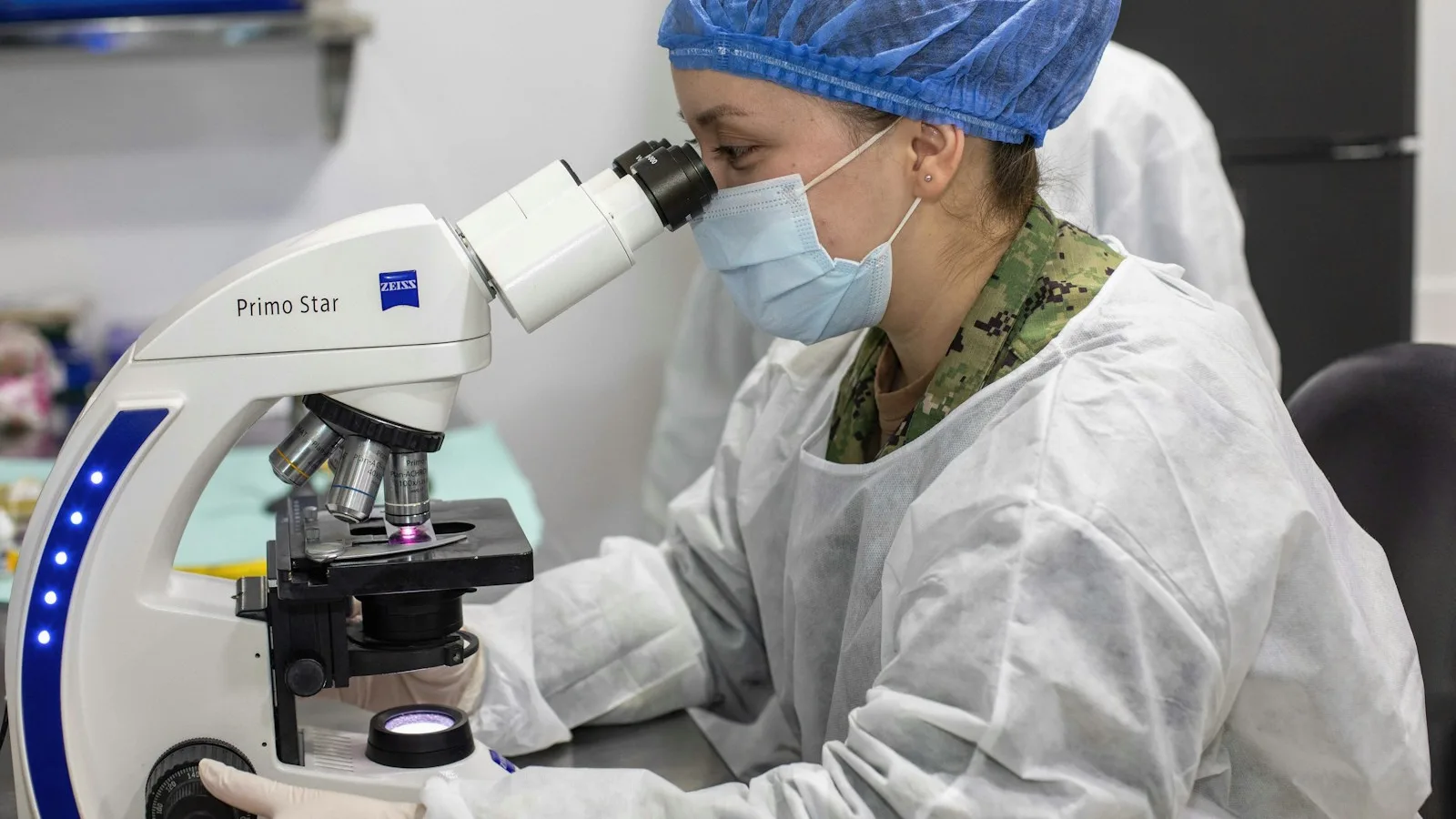
The programme's defining feature is its proximity to a hospital. The ARTORG Center sits alongside Inselspital, Bern University Hospital, and its research groups work on image-guided therapy, surgical robotics and navigation, cardiovascular engineering, artificial organs, musculoskeletal biomechanics, ophthalmic technologies and computational medicine — with clinicians as project partners rather than distant stakeholders. Students choose a specialisation track and take the thesis inside one of those groups, so the degree produces engineers who have worked on clinical problems and clinical data rather than on textbook approximations.
Two admission details need flagging early because they surprise applicants. First, the Bachelor's degree must normally be no more than five years old — this is not a route for engineers a decade into a career. Second, Bern requires the GRE from applicants holding a degree earned outside Switzerland, and no minimum score is published, which means the test has to be planned and sat well before the April deadline. Up to 30 ECTS of bridging coursework can be imposed where a profile is short, which extends the degree.
On cost, Bern's fee schedule for students starting from the autumn 2026 semester is CHF 850 per semester in base tuition plus a CHF 1,700 per-semester surcharge for students without Swiss residency — roughly CHF 5,100 a year, or about LKR 1.89 million, with a CHF 300 graduation fee at the end. Some programme pages still display the older, lower figure, so confirm the amount with Bern admissions before budgeting. Even so it sits far below a UK or US biomedical engineering master's; the genuine expense of studying in Switzerland is living there, and applicants requiring a study visa are explicitly required to apply within the regular deadline rather than any late window.
Entry Requirements
Academic
- check_circle A Bachelor's degree (SLQF Level 6, UGC-recognised or equivalent) in Electrical Engineering, Computer Science, Mechanical Engineering, Microtechnology, Physics, Computational Science or a comparable discipline.
- check_circle The degree must normally be no more than five years old at the point of application.
- check_circle The GRE is mandatory for applicants holding a degree from outside Switzerland — no minimum score is published, but the test must be sat and reported before the deadline, so book it months ahead.
- check_circle Up to 30 ECTS of bridging coursework may be imposed where the prior degree is short in a required area; expect this to extend the two years.
- check_circle No numeric GPA minimum is published. A First or strong Class II Upper from Moratuwa, Peradeniya, Ruhuna or a comparable Sri Lankan engineering faculty, with project work in signal processing, imaging, instrumentation or biomechanics, is the realistic profile. Applicants requiring a study visa must apply within the regular deadline.
English Proficiency
- check_circle Bern requires no English certificate for this programme — the university states that language competence is the applicant's own responsibility where none is specified. In practice this is a universal waiver.
- check_circle We still advise Sri Lankan applicants to hold IELTS Academic 6.5 or TOEFL iBT 90 or above: the teaching and the thesis assume that level, and a certificate strengthens the Swiss study-visa file even where the university does not demand it.
- check_circle Applicants from English-medium Sri Lankan engineering degrees are therefore in a strong position — confirm the position in writing with the admissions office before deciding to skip the test.
- check_circle German is not required for the degree. Bern offers language courses, and basic German makes housing, hospital placements and everyday administration considerably easier.
Estimated Cost of Study
| Expense Category | Amount (CHF) | Approx. LKR |
|---|---|---|
| Tuition + Non-Swiss Surcharge (per year, from autumn 2026) | CHF 5,100 | Rs. 1,887,000 |
| Accommodation in Bern (per year) | CHF 10,800 | Rs. 3,996,000 |
| Living Expenses & Food (per year) | CHF 9,000 | Rs. 3,330,000 |
| Health Insurance, Permit & GRE | CHF 2,400 | Rs. 888,000 |
| Estimated Annual Investment | CHF 27,300 | Rs. 10,101,000 |
*LKR conversion based on current bank rates. Subject to change.
Career Outcomes & PR
Switzerland allows non-EU graduates six months to look for work after graduating, converting to a work permit under the cantonal quota system for skilled roles — and Switzerland happens to host one of the densest medical-technology clusters in the world. Bern graduates move into industry and academia, with PhD progression through the ARTORG Center and its Inselspital collaborations a common route. The Swiss medtech sector includes Roche and Novartis diagnostics, Straumann in dental implants, Ypsomed and Sonova, Johnson & Johnson MedTech's Swiss operations, Zimmer Biomet, and a deep cluster of surgical-navigation and orthopaedic firms around Bern itself. Sri Lankan returnees route into clinical engineering and biomedical equipment management in the private hospital groups (Asiri, Nawaloka, Durdans, Lanka Hospitals), medical-device distribution and regulatory roles, biomedical instrumentation teaching at Moratuwa and the Sri Lanka Institute of Biomedical Engineering, and health-technology assessment work with the Ministry of Health.
Related Programs




Ready to Start Your Journey?
Our counsellors have helped hundreds of Sri Lankan students secure placements in Switzerland. We handle everything from applications to visa processing — and it starts with a free, in-person visit to one of our three offices.
ඔබට සුදුසු විශ්වවිද්යාලයක් තේරීම, අයදුම්පත් යොමු කිරීම, SOP සකස් කිරීම සහ වීසා ලබා ගැනීම ඇතුළු සෑම පියවරකදීම, ඔබ වෙනුවෙන් සියලුම වගකීම් විශ්වාසවන්තව අප භාර ගනිමු.
Book a visit to discuss this course
verified100% free for students. Universities pay us, not you. How?
Every consultation happens face to face with a counsellor. We don't do phone or online consultations — pick a branch, day and time that suits you.
- location_on Rajagiriya (head office) 8th Floor, Jana Jaya City Mall, Rajagiriya, Sri Lanka
- location_on Jaffna 158 Hospital Road, Jaffna, Sri Lanka
- location_on Matara No. 474 New Tangalle Road, Matara, Sri Lanka
schedule Mon – Fri: 9:00 AM – 5:30 PM · Sat: 9:00 AM – 1:00 PM
Choose a date & time event_available