

IE · Bachelor's
TU Dublin
BA (Hons) in Culinary Arts
TU Dublin
Deadline detail: July 1 (non-EU) — apply earlier to leave room for the Irish study visa
Course Overview
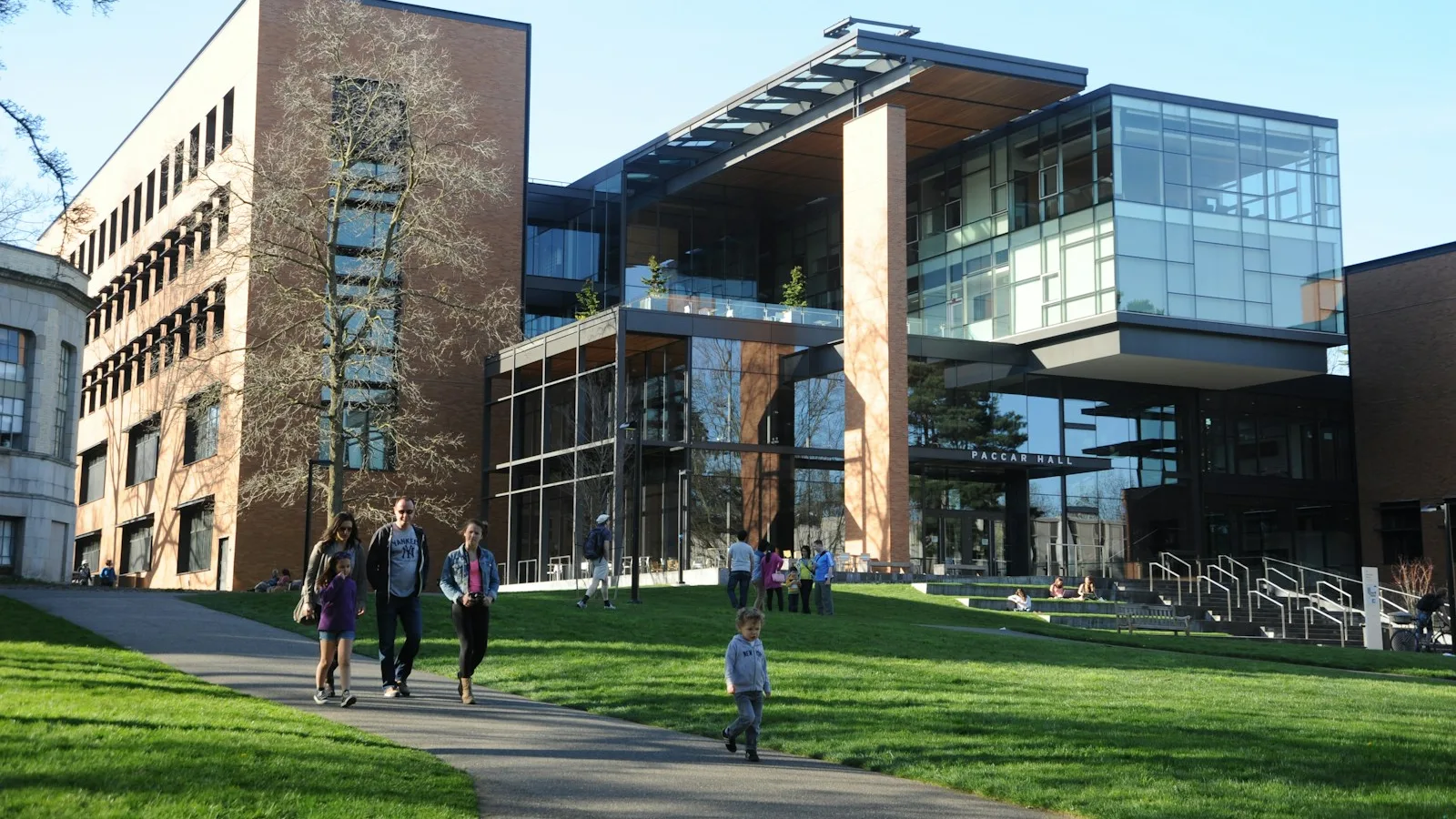
TU Dublin's School of Culinary Arts and Food Technology is the most significant culinary school in Ireland and one of the more important in Europe — it was the first culinary college anywhere to offer a bachelor's degree in Culinary Arts, and it has been training chefs since its days as the Dublin Institute of Technology's Cathal Brugha Street school. The school now operates from the Grangegorman campus with multiple production kitchens, bakeries, a sensory laboratory, two training restaurants and a retail outlet, which means students cook and serve to paying customers rather than only to assessors.
The BA (Hons) is a four-year Level 8 honours degree, not a trade certificate, and the distinction is the point: alongside the technical progression through classical and contemporary cookery, larder, pastry, bakery and advanced kitchen practice, students take food science and nutrition, food safety and HACCP, menu engineering and costing, gastronomy and food culture, kitchen management, and business and entrepreneurship. Industry placement is built into the programme, and Dublin's restaurant scene — several Michelin-starred kitchens, a strong hotel sector and a serious food-producer culture — supplies it.
For Sri Lankan students this is worth considering carefully, because the domestic industry has a specific gap. Sri Lanka has an enormous hospitality sector: the Cinnamon and Jetwing groups, Aitken Spence Hotels, Heritance, Shangri-La and the international brands along the coast and in Colombo, plus a fast-growing independent restaurant scene. What that industry mostly trains through SLITHM and in-house programmes is craft skill. What it is short of is people who combine the craft with the degree-level side — food science, costing, menu development, food safety systems and management — which is exactly what separates a head chef from an executive chef or a food and beverage director. An Irish honours degree from a school with this reputation, plus a year of post-study work permission in Dublin kitchens, is a genuinely differentiated profile back in Colombo.
Entry Requirements
Academic
- check_circle A recognised secondary school qualification giving access to higher education. TU Dublin assesses international qualifications individually.
- check_circle Sri Lankan GCE A/L: three passes in any stream; the Biological Science stream is a natural fit given the food science content, but Commerce and Arts stream applicants are equally welcome.
- check_circle Cambridge or Edexcel International A-Levels: passes in two or three subjects with a full set of O-Levels or IGCSEs including English and Mathematics.
- check_circle IB Diploma: full diploma.
- check_circle No prior culinary training is required for entry, though kitchen experience — even in a family business or a hotel — strengthens an application and gives you a realistic sense of the working conditions this degree prepares you for.
- check_circle Applicants with a SLITHM diploma or comparable culinary qualification should submit the transcript for advanced-standing assessment; credit is possible but not automatic.
- check_circle Sri Lanka is a visa-required country for Ireland. The study visa needs an acceptance letter, evidence of fees paid, private medical insurance and proof of access to at least €10,000 for living costs — allow eight to ten weeks after the offer.
- check_circle Non-EU applicants apply directly to TU Dublin's International Office rather than through the CAO system used by Irish school leavers.
English Proficiency
- check_circle IELTS Academic: 6.0 Overall with no band below 5.5 is the usual undergraduate requirement.
- check_circle TOEFL iBT: 80 Overall.
- check_circle PTE Academic: 56 Overall.
- check_circle Cambridge English: B2 First or C1 Advanced.
- check_circle Waived where your secondary education was completed entirely in English at a recognised institution — Sri Lankan applicants from Cambridge and Edexcel International A-Level streams and from English-medium national-curriculum schools qualify with a school letter confirming the medium of instruction. Note that the Irish immigration authority may assess English separately for the visa.
- check_circle The whole programme is taught, assessed and examined in English.
- check_circle Kitchen English is its own vocabulary — classical French culinary terminology runs through professional kitchens everywhere, and the degree teaches it. Ireland being English-speaking is a substantial practical advantage for placements and part-time kitchen work compared with studying culinary arts in France, Italy or Switzerland.
Estimated Cost of Study
| Expense Category | Amount (€) | Approx. LKR |
|---|---|---|
| Tuition Fee (per year, non-EU, approx.) | €13,500 | Rs. 4,657,500 |
| Living Expenses in Dublin (per year) | €15,000 | Rs. 5,175,000 |
| Knife Kit, Chef Whites & Kitchen Equipment | €1,200 | Rs. 414,000 |
| Study Visa & Irish Residence Permit (IRP) | €600 | Rs. 207,000 |
| Private Medical Insurance, Books & Airfare | €1,000 | Rs. 345,000 |
| Total Year 1 Investment | €31,300 | Rs. 10,798,500 |
*LKR conversion based on current bank rates. Subject to change.
Career Outcomes & PR
Ireland's Third Level Graduate Programme gives non-EEA graduates holding a Level 8 honours degree a 12-month permission to remain and work, which is enough to build a year of professional kitchen experience in Dublin before deciding whether to stay or return. Chef roles have appeared on Ireland's employment permit lists during periods of shortage, and Ireland's hospitality sector has been persistently short of trained chefs — but confirm the current permit position before building a plan on it, as these lists change. Graduates work in restaurant and hotel kitchens across Ireland and the UK, in the food-production and product-development side of the food industry, in food safety and quality roles, in culinary education, and in food media, consultancy and their own businesses. The degree-level content is what opens the second and third of those. For Sri Lankan returnees the fit is direct and the credential is scarce: executive chef and food and beverage management tracks at the Cinnamon and Jetwing groups, Aitken Spence Hotels, Heritance, Shangri-La Colombo, the Kingsbury and the coastal resorts; product development and quality roles at Ceylon Biscuits, Cargills, Prima and the food manufacturers; teaching at SLITHM and the private hospitality schools; and the independent restaurant and catering sector in Colombo, which has grown fast and rewards formally trained talent.
Related Programs


BA Hospitality Management
Kyung Hee University

BA (Hons) International Hospitality Management
Edinburgh Napier University

Bachelor of Business Administration in International Hospitality Management
Emirates Academy of Hospitality Management
Ready to Start Your Journey?
Our counsellors have helped hundreds of Sri Lankan students secure placements in IE. We handle everything from applications to visa processing — and it starts with a free, in-person visit to one of our three offices.
ඔබට සුදුසු විශ්වවිද්යාලයක් තේරීම, අයදුම්පත් යොමු කිරීම, SOP සකස් කිරීම සහ වීසා ලබා ගැනීම ඇතුළු සෑම පියවරකදීම, ඔබ වෙනුවෙන් සියලුම වගකීම් විශ්වාසවන්තව අප භාර ගනිමු.
Book a visit to discuss this course
verified100% free for students. Universities pay us, not you. How?
Every consultation happens face to face with a counsellor. We don't do phone or online consultations — pick a branch, day and time that suits you.
- location_on Rajagiriya (head office) 8th Floor, Jana Jaya City Mall, Rajagiriya, Sri Lanka
- location_on Jaffna 158 Hospital Road, Jaffna, Sri Lanka
- location_on Matara No. 474 New Tangalle Road, Matara, Sri Lanka
schedule Mon – Fri: 9:00 AM – 5:30 PM · Sat: 9:00 AM – 1:00 PM
Choose a date & time event_available