
FR · Master's
Université Grenoble Alpes
MSc Nanosciences and Nanotechnologies — Nanochemistry
Université Grenoble Alpes
Deadline detail: March 31 (non-EU, Campus France) — no programme-specific date published
Course Overview
The Nanochemistry track of Université Grenoble Alpes' Master in Nanosciences and Nanotechnologies is one of the few UGA science master's where the programme states outright that all lessons are held in English across both years, not only in the second. It runs 120 ECTS over two years, jointly delivered by UGA's physics and chemistry-biology faculties, and is aimed at graduates in chemistry, physical chemistry, materials science and physics.
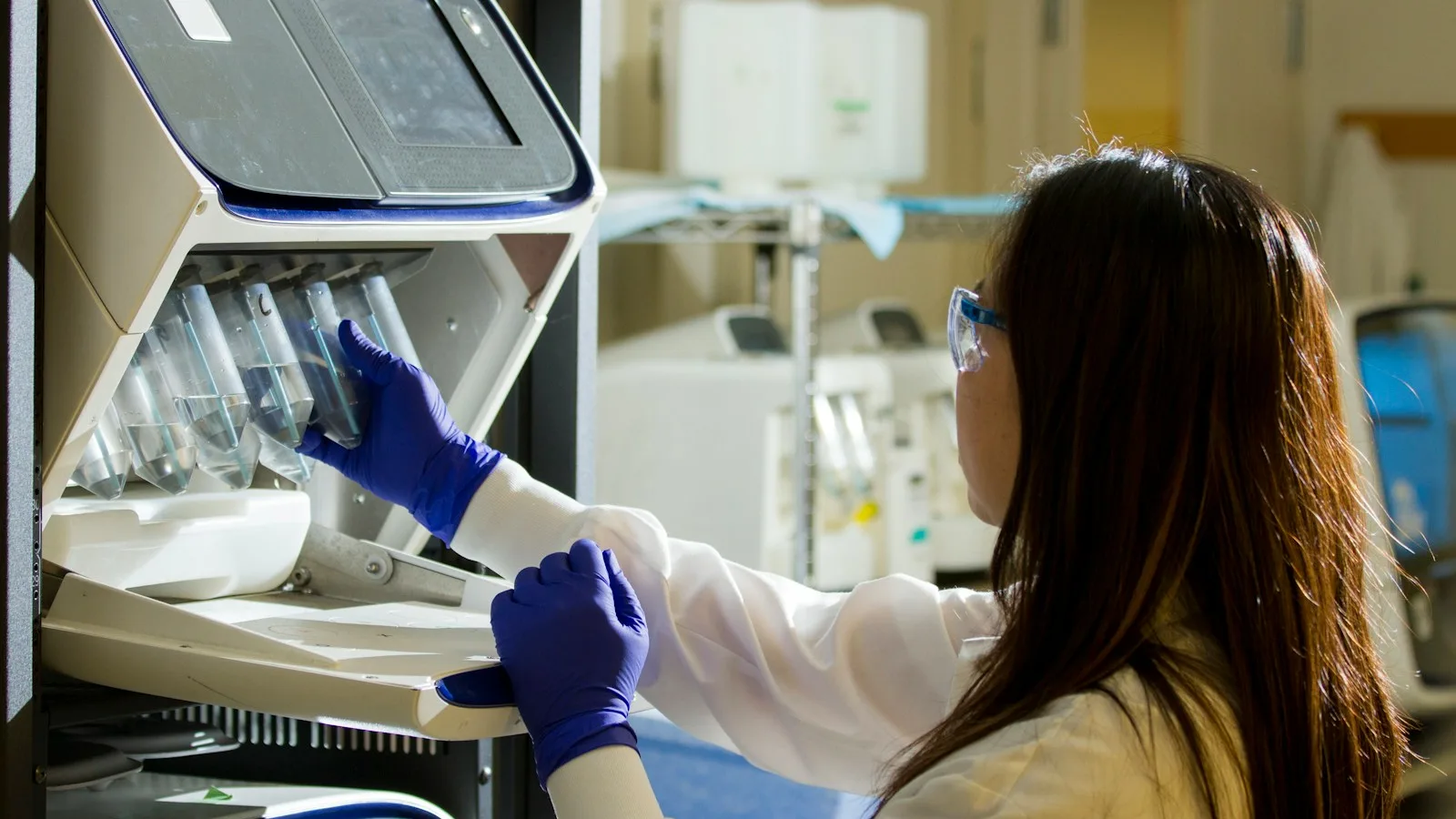
Grenoble is the reason to study this here. The city hosts the European Synchrotron Radiation Facility, the Institut Laue-Langevin neutron source, the CEA's nanotechnology campus at Minatec and CNRS chemistry institutes, all within a few kilometres of the university — an instrumentation density that few places in the world match for anyone working on materials at the nanoscale. Coursework covers synthesis and self-assembly of nanomaterials, surface and colloid chemistry, characterisation techniques (electron microscopy, X-ray and neutron scattering, spectroscopy), nano-objects for energy and catalysis, molecular electronics, and the health and environmental considerations of nanomaterials. Laboratory work and a research internship are central.
Cost is the part of this entry that needs the most honesty. UGA's own fee page publishes the standard French national master's rate of €255 a year plus a €105 CVEC contribution for 2026-27, and states separately that differentiated fees apply to non-European students without publishing an amount, while also confirming that exemption requests are possible. Different official UGA pages have carried different positions on how broadly those exemptions are granted. We plan conservatively against the differentiated master's rate — in the region of €3,770 a year — so that a family budgets for the worst case, and we get the actual figure confirmed in writing before anyone commits. The real outcome may be closer to €360.
Two further gaps are worth knowing before you invest time. UGA publishes no programme-specific application deadline for Nanochemistry and no numeric English requirement — the route depends on whether Sri Lanka is covered by Campus France's Études en France procedure for your cycle, and sibling programmes in the same faculty have published spring application windows in March and April. Both need confirming with the faculty's international office rather than assumed. What the programme does publish is its outcome data: around 70% of graduates continue to doctoral study and about 25% take industrial or engineering positions in the chemistry and materials sector.
Entry Requirements
Academic
- check_circle A Bachelor's degree (SLQF Level 6, UGC-recognised or equivalent) in Chemistry, Physical Chemistry, Materials Science or Physics — the programme names these as its target audience. Entry is at M1; direct M2 entry requires completion of the first year of a compatible master's.
- check_circle No numeric GPA threshold is published. The transcript needs to show real chemistry and physics depth, with laboratory and instrumentation experience stated explicitly in the CV.
- check_circle The application route depends on residency: applicants in Campus France 'Études en France' countries go through that portal, others through Mon Master for M1 or eCandidat for direct M2 entry. Confirm Sri Lanka's status for your cycle with Campus France Colombo before you start.
- check_circle No deadlines are published on the Nanochemistry page. Sibling programmes in the same faculty published spring eCandidat windows in March and in April-May, so plan on a March target and verify with the faculty's international office.
- check_circle Certified, translated transcripts and degree certificate, with module descriptions covering chemistry, physics and laboratory work.
English Proficiency
- check_circle UGA publishes no IELTS, TOEFL or CEFR requirement on this programme's page. That is a genuine gap, not an omission on our part — there is no stated threshold and no stated waiver.
- check_circle We advise Sri Lankan applicants to hold IELTS Academic 6.0-6.5 or TOEFL iBT 78-80 or above, which is the level UGA's other English-taught science master's ask for, and to confirm acceptability with the programme office in writing.
- check_circle All teaching is in English across both years, so the working level required is real regardless of what is formally demanded at application.
- check_circle No French is required for the degree. An optional 3-ECTS French as a Foreign Language elective is available in the first year and is worth taking — laboratory life, housing and administration in Grenoble all run in French.
- check_circle For direct entry at M2 into some UGA programmes French at B1 is required; confirm whether that applies to your entry point.
Estimated Cost of Study
| Expense Category | Amount (€) | Approx. LKR |
|---|---|---|
| Tuition Fee (per year, planned against the non-EU differentiated rate) | €3,770 | Rs. 1,300,650 |
| CVEC Student Life Contribution | €105 | Rs. 36,225 |
| Living Expenses in Grenoble (12 months) | €9,600 | Rs. 3,312,000 |
| Visa, Residence Permit & Insurance | €700 | Rs. 241,500 |
| Books, Lab Costs & Travel | €700 | Rs. 241,500 |
| Total Year 1 Investment (conservative) | €14,875 | Rs. 5,131,875 |
*LKR conversion based on current bank rates. Subject to change.
Career Outcomes & PR
France grants master's graduates the Autorisation Provisoire de Séjour (APS), a twelve-month post-study residence permit to look for work or start a business, converting to a work permit or Talent Passport on a qualifying offer. The programme's own published outcome data is unusually specific: roughly 70% of graduates continue to doctoral study in nanosciences or materials chemistry — split about evenly between France, Grenoble itself and abroad — and about 25% take industrial or engineering positions in the chemistry and materials sector. Grenoble's employers and research institutions include the CEA, CNRS, the European Synchrotron Radiation Facility, the Institut Laue-Langevin, STMicroelectronics, Soitec and Air Liquide. Sri Lankan returnees route into materials and analytical roles at the Sri Lanka Institute of Nanotechnology, the Industrial Technology Institute, university research and teaching at Moratuwa, Peradeniya and Colombo, quality and R&D functions in the rubber, ceramics, paints and mineral-processing sectors, and the graphite and mineral-sands value-addition industry.
Related Programs

MA in Climate and Society
Columbia University (Columbia Climate School)


Master of Environmental Management and Development
Australian National University

Master of Renewable Energy
Massey University (School of Food and Advanced Technology)
Ready to Start Your Journey?
Our counsellors have helped hundreds of Sri Lankan students secure placements in FR. We handle everything from applications to visa processing — and it starts with a free, in-person visit to one of our three offices.
ඔබට සුදුසු විශ්වවිද්යාලයක් තේරීම, අයදුම්පත් යොමු කිරීම, SOP සකස් කිරීම සහ වීසා ලබා ගැනීම ඇතුළු සෑම පියවරකදීම, ඔබ වෙනුවෙන් සියලුම වගකීම් විශ්වාසවන්තව අප භාර ගනිමු.
Book a visit to discuss this course
verified100% free for students. Universities pay us, not you. How?
Every consultation happens face to face with a counsellor. We don't do phone or online consultations — pick a branch, day and time that suits you.
- location_on Rajagiriya (head office) 8th Floor, Jana Jaya City Mall, Rajagiriya, Sri Lanka
- location_on Jaffna 158 Hospital Road, Jaffna, Sri Lanka
- location_on Matara No. 474 New Tangalle Road, Matara, Sri Lanka
schedule Mon – Fri: 9:00 AM – 5:30 PM · Sat: 9:00 AM – 1:00 PM
Choose a date & time event_available