
UK · Master's
University College London (UCL)
MSc Bioengineering
University College London (UCL)
Course Overview
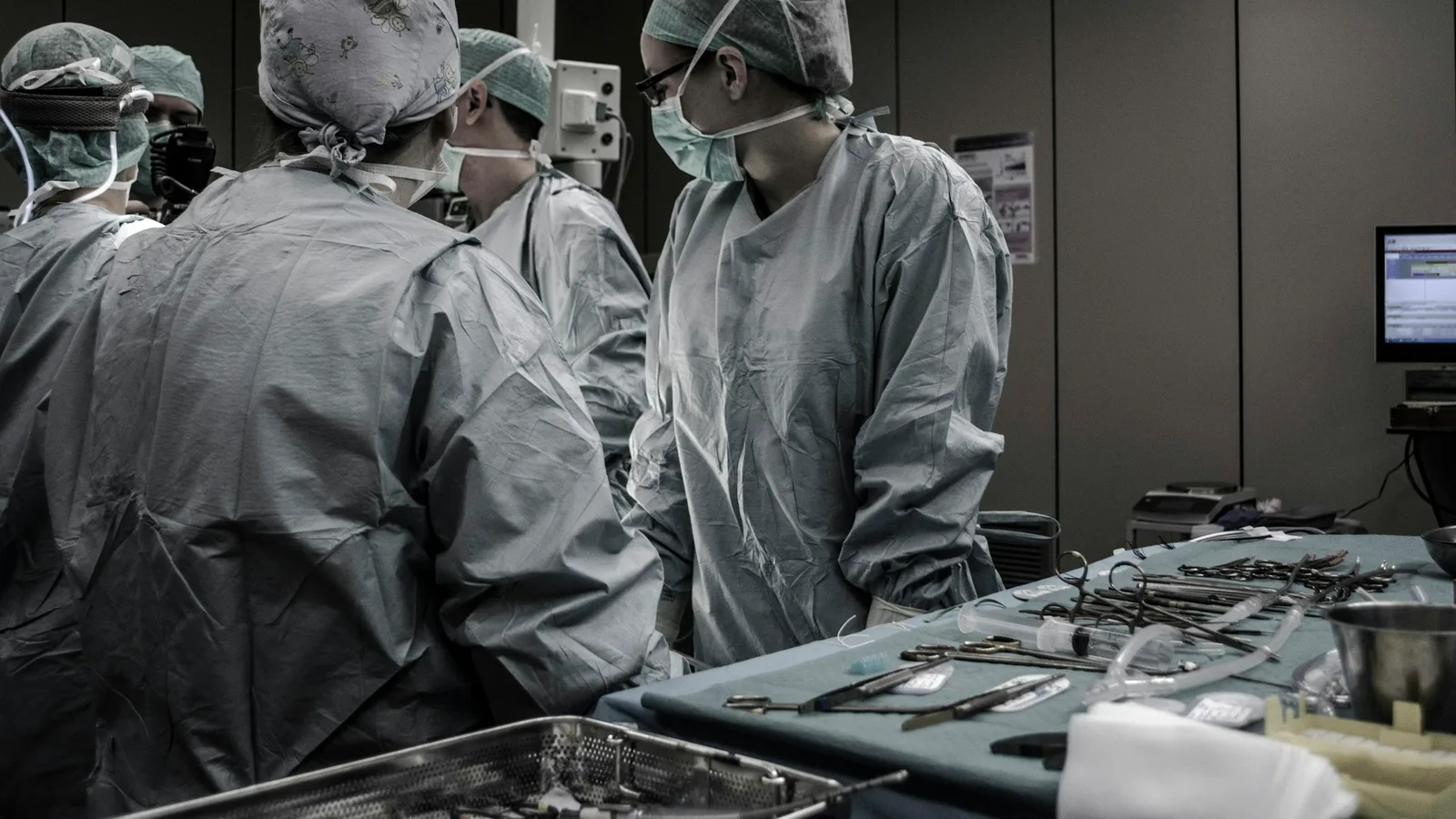
UCL's MSc Bioengineering sits inside one of the UK's largest bioengineering departments, with shared infrastructure across UCL's Bloomsbury campus and the Francis Crick Institute. Core modules cover tissue engineering, medical imaging, biomaterials, and biomechanics, with electives in neural engineering, regenerative medicine, and medical devices — capped by a 3-month research dissertation embedded in an active lab.
A strong fit for Sri Lankan engineering or life-science graduates aiming at the UK medtech sector, NHS clinical engineering roles, or PhD pathways. The department has direct collaborations with UCLH, Great Ormond Street Hospital, and the Royal Free — meaning real translational projects, not just textbook work.
Entry Requirements
Academic
- check_circle Upper-second class undergraduate degree (2:1 / GPA 3.3+) in Engineering, Physics, Biological Sciences, Medicine, or a closely related discipline.
- check_circle Demonstrated quantitative ability — calculus, linear algebra, basic programming (MATLAB or Python).
- check_circle Personal statement linking prior work to a specific bioengineering interest at UCL.
- check_circle Two academic references; 10% tuition deposit required to secure your place after offer.
English Proficiency
- check_circle IELTS Academic: 6.5 Overall (min 6.0 in each section). // VERIFY — UCL "Standard" English level
- check_circle TOEFL iBT: 92 Overall (min 24 R, 24 W, 20 S&L). // VERIFY
- check_circle Waived if your degree was taught and assessed entirely in English.
Estimated Cost of Study
| Expense Category | Amount (£) | Approx. LKR |
|---|---|---|
| Tuition Fee (12 months) | £39,500 | Rs. 15,800,000 |
| Living Expenses (12 months, London) | £16,000 | Rs. 6,400,000 |
| Student Visa & IHS Fee | £1,800 | Rs. 720,000 |
| Total Programme Investment | £57,300 | Rs. 22,920,000 |
*LKR conversion based on current bank rates. Subject to change.
Career Outcomes & PR
Eligible for the 2-year UK Graduate Route. Biomedical engineer, clinical scientist, and medical-device R&D roles routinely qualify for Skilled Worker sponsorship via the UK Shortage Occupation List. UCL bioengineering grads place at GSK, AstraZeneca, Medtronic, NHS Trusts, and into PhDs at UCL, Imperial, and Cambridge.
Related Programs




Ready to Start Your Journey?
Our counsellors have helped hundreds of Sri Lankan students secure placements in UK. We handle everything from applications to visa processing.