

South Korea · Master's
Korea University
MS in Biomedical Sciences
Korea University
Deadline detail: May (Sept intake) / October (March intake)
Course Overview
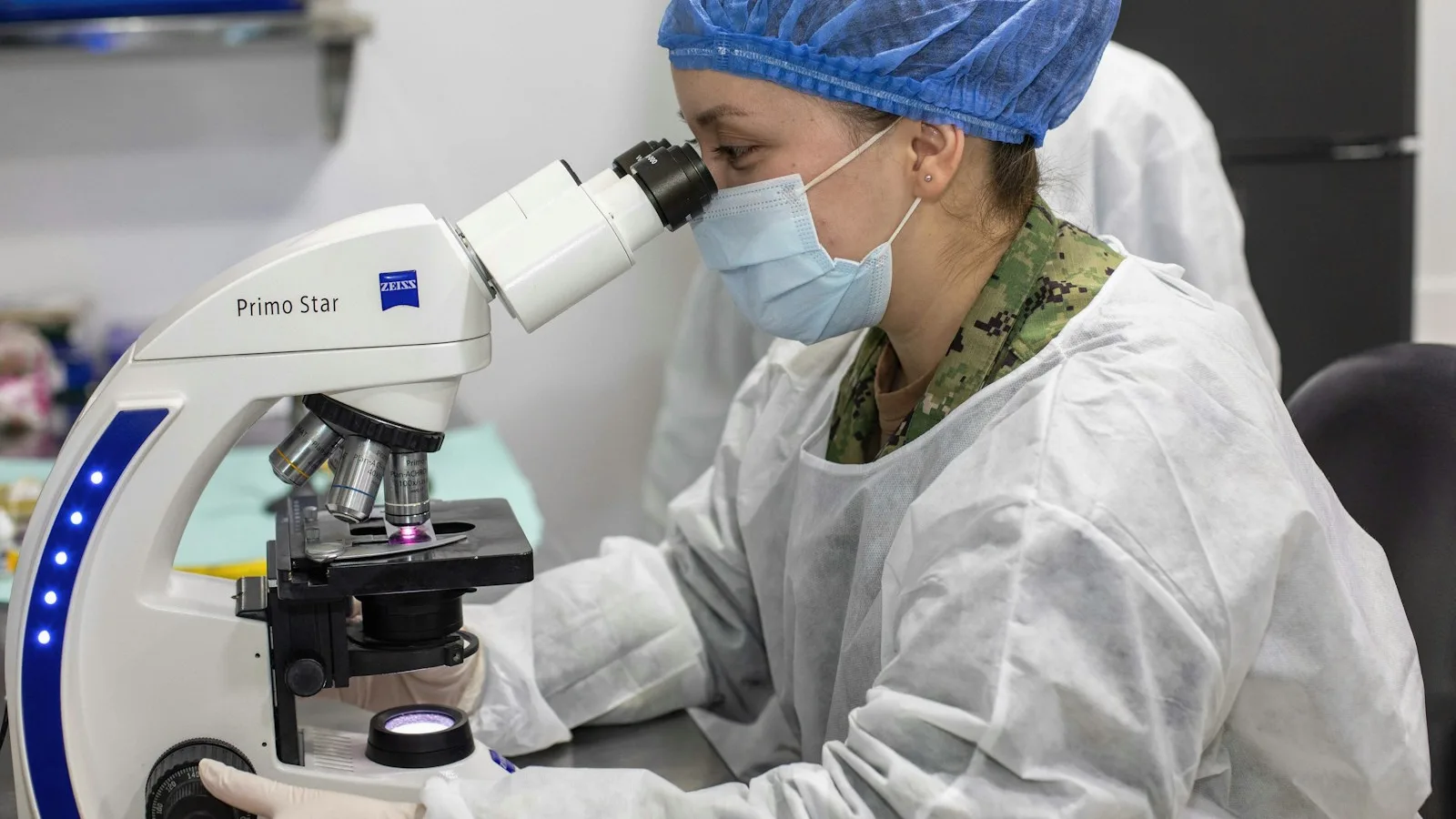
Korea University — one of South Korea's elite SKY universities (QS top 80) — offers an English-supported MS in Biomedical Sciences through its College of Medicine and biomedical research institutes. The 2-year research Master's spans molecular and cellular medicine, cancer biology, neuroscience, immunology, and translational research, with a laboratory-based thesis embedded in an active research group and access to the Korea University Medical Center, one of Seoul's leading hospital networks.
Sri Lankan applicants — biomedical science, medicine, pharmacy, and life-science graduates — choose Korea University for: an affordable English-supported biomedical research credential, strong scholarship availability, Korea's leading position in biotech and medical research, and the D-10 job-search visa after graduation. The MS is a strong feeder into PhD positions in Korea and abroad, and into pharma and biotech R&D. Many supervisors provide research stipends to graduate students.
Entry Requirements
Academic
- check_circle A recognised Bachelor's degree (or MBBS) in Biomedical Science, Biology, Pharmacy, Biochemistry, or a closely-related life-science discipline.
- check_circle Sri Lankan applicants with BSc degrees in Biomedical Science, Biochemistry, Molecular Biology, or Pharmacy (Colombo, Peradeniya, Kelaniya, Sri Jayewardenepura) — or MBBS graduates — are competitive.
- check_circle A statement of purpose and study plan, plus a pre-application supervisor match where required.
- check_circle Two recommendation letters; certified, translated transcripts and degree certificates.
- check_circle Prior laboratory and research experience strengthens the file.
English Proficiency
- check_circle IELTS Academic: 6.0 Overall (or higher per programme guidance).
- check_circle TOEFL iBT: 80 Overall.
- check_circle Korean language is not required for English-medium research supervision.
- check_circle Waived for applicants whose prior degree was taught and assessed entirely in English (English-medium Sri Lankan degrees and MBBS qualify with an MOI letter).
Estimated Cost of Study
| Expense Category | Amount (₩) | Approx. LKR |
|---|---|---|
| Tuition Fee (per year) | ₩12,600,000 | Rs. 2,898,000 |
| Living Expenses in Seoul (12 months) | ₩13,000,000 | Rs. 2,990,000 |
| Student Visa (D-2) & Insurance | ₩900,000 | Rs. 207,000 |
| Books & Lab Materials | ₩600,000 | Rs. 138,000 |
| Total Year 1 Investment | ₩27,100,000 | Rs. 6,233,000 |
*LKR conversion based on current bank rates. Subject to change.
Career Outcomes & PR
South Korea offers graduates the D-10 job-seeking visa to find qualifying employment after their degree, converting to a work visa at an offer. Biomedical Sciences graduates move into pharma and biotech R&D (Samsung Biologics, Celltrion, SK Bioscience), diagnostics, and research institutes, plus salaried PhD positions in Korea and abroad. Sri Lankan returnees route into biomedical research, the Medical Research Institute, diagnostics laboratories, university science faculties, and the biotech sector.
Related Programs

Master of Public Health (MPH)
Seoul National University (Graduate School of Public Health)

Master of Public Health
Yonsei University (Graduate School of Public Health)

MS in Bio and Brain Engineering
Korea Advanced Institute of Science and Technology (KAIST)
Ready to Start Your Journey?
Our counsellors have helped hundreds of Sri Lankan students secure placements in South Korea. We handle everything from applications to visa processing — and it starts with a free, in-person visit to one of our three offices.
ඔබට සුදුසු විශ්වවිද්යාලයක් තේරීම, අයදුම්පත් යොමු කිරීම, SOP සකස් කිරීම සහ වීසා ලබා ගැනීම ඇතුළු සෑම පියවරකදීම, ඔබ වෙනුවෙන් සියලුම වගකීම් විශ්වාසවන්තව අප භාර ගනිමු.
Book a visit to discuss this course
verified100% free for students. Universities pay us, not you. How?
Every consultation happens face to face with a counsellor. We don't do phone or online consultations — pick a branch, day and time that suits you.
- location_on Rajagiriya (head office) 8th Floor, Jana Jaya City Mall, Rajagiriya, Sri Lanka
- location_on Jaffna 158 Hospital Road, Jaffna, Sri Lanka
- location_on Matara No. 474 New Tangalle Road, Matara, Sri Lanka
schedule Mon – Fri: 9:00 AM – 5:30 PM · Sat: 9:00 AM – 1:00 PM
Choose a date & time event_available