
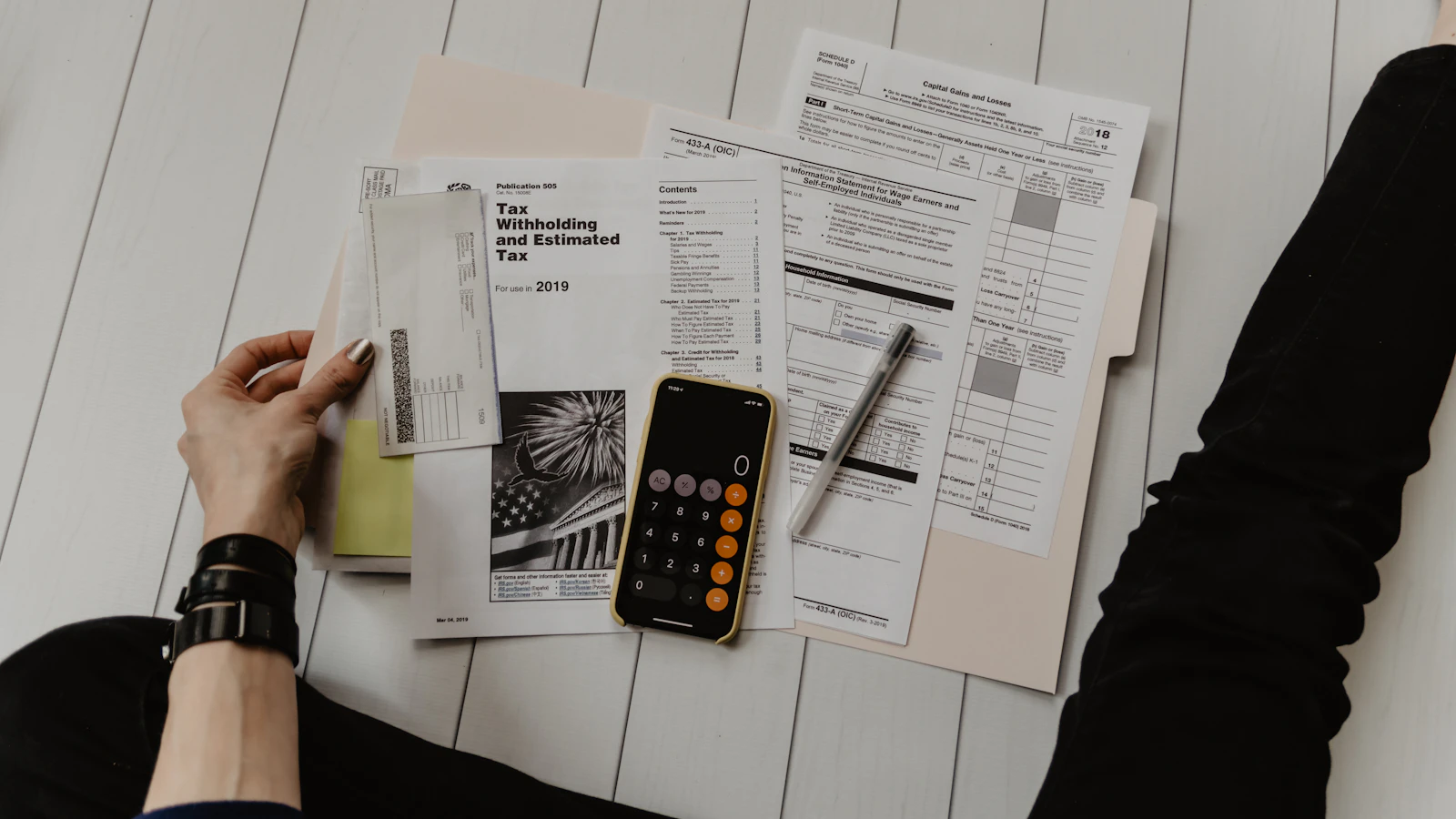
Showing the money for your visa is one challenge; making it last once you’ve arrived is another. Between transfer fees, exchange-rate spreads, and the small daily costs of a new currency, students routinely lose more than they realise. A bit of system saves a lot of rupees.
Sri Lanka’s foreign-exchange rules and bank fees change, and every country’s banking differs. This is general guidance — confirm the current outward-remittance rules with your Sri Lankan bank and the Central Bank of Sri Lanka, and compare live fees before transferring.
Getting money out of Sri Lanka
Sending funds abroad isn’t unlimited — Sri Lanka regulates outward remittances, and education is a recognised purpose with its own channels. Your family can typically remit through a bank using your offer letter, invoice, and visa as supporting documents. The key is to plan it as a documented education remittance, not an ad-hoc transfer, and to understand any limits and paperwork before a fee is urgently due.
- check_circle Keep your university invoices and offer letter — banks need them to remit for education
- check_circle Understand the documentation and any limits your bank applies
- check_circle Plan large transfers (like tuition) ahead of deadlines, not at the last minute
- check_circle Keep records of every transfer for your own and the bank's compliance
Cutting transfer and exchange fees
This is where students quietly lose the most. Every transfer has two costs: the visible fee and the hidden exchange-rate margin (the gap between the real mid-market rate and the one you’re given). Banks often have the worst spread.
Pro Counsellor Tip
"
Send money in fewer, larger transfers rather than many small ones — most fees are partly fixed, so ten small transfers cost far more than one or two big ones. And always compare the total you’ll receive in the destination currency, not just the advertised fee, because the exchange-rate margin is where the real cost hides.
"Avoid the everyday fee traps
Once abroad, small recurring costs add up:
- check_circle ATM withdrawal fees — use accounts/cards that don't charge, and withdraw larger amounts less often
- check_circle Card foreign-transaction fees — use a local account once you have one
- check_circle Always pay in the local currency, never the 'pay in your home currency' option at a card terminal (it carries a poor rate)
- check_circle Monthly account fees — many countries have free student accounts; don't pay for one
- check_circle Unused subscriptions in the new currency — review them monthly
Budget weekly, not monthly
A monthly budget is easy to blow in week one. Convert your plan into a realistic weekly spending figure covering rent, food, transport, phone, and a little for life — then track against it. Seeing the number weekly catches overspending while you can still correct it.
- check_circle Fixed costs first: rent, bills, phone, transport pass
- check_circle Then food — cooking is dramatically cheaper than eating out
- check_circle A small, honest allowance for social life and emergencies
- check_circle Keep a buffer — the first month always costs more (setup, deposits, surprises)
Want a realistic first-year budget?
A free office visit is the place to bring your tuition invoice, the accommodation cost you've been quoted and your family's plan for sending money. We'll build a weekly budget for your city and flag the transfer and FX fees that drain student accounts.
Plan My Student Budget event_availableverified100% free for students. Universities pay us, not you. How?
Don’t rely on part-time work to balance the budget
Part-time earnings (where your visa allows them) are a genuine help, but they’re inconsistent — you may not find a job immediately, and term-time hours are capped. Treat part-time income as a top-up for living costs and experience, never as the thing that makes an otherwise-unaffordable plan work. Your savings and remittances should cover the essentials on their own.
Next steps
Money problems abroad are usually planning problems, not income problems. Start with our study-abroad cost calculator to set a realistic all-in number, then book a free session and we’ll help you build a weekly budget, set up a sensible remittance plan from Sri Lanka, and keep more of your money where it belongs — with you.

Written by
Lakmal Silva
Founder
Lakmal Silva founded Lanka Scholar to help Sri Lankan students apply abroad without paying agent fees, and works with applicants across 18 destinations from the team offices in Rajagiriya, Jaffna and Matara.
badge Verify this author on LinkedIn
Book an office visit to ask the team in person event_available